Thoroughly Modern Julie: Curating Andrews' Iconic Early Career
Julie Andrews. The name alone conjures images of soaring melodies, enchanting characters, and a voice that defined a golden age of musical theatre and film. In 1996, Rhino Records took a meticulous, indeed, a
thoroughly detailed approach to celebrating this legend with the release of
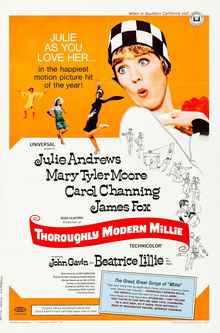
The Best of Julie Andrews: Thoroughly Modern Julie. This compilation isn't just a collection of songs; it’s a carefully curated journey through the formative years of an unparalleled talent, offering listeners a profound insight into the vocal prowess and emotive depth that cemented Andrews' status as an icon. The album’s title itself, a clever nod to her 1967 film role in *Thoroughly Modern Millie*, also hints at the comprehensive and modern approach taken to compile this historical audio artifact, allowing audiences to understand her early impact
understanding "thoroughly" from dictionary to Julie Andrews' album perspective.
The Meticulous Curation of a Golden Era
Released on March 26, 1996, *Thoroughly Modern Julie* emerged from Rhino Records with a clear objective: to capitalize on Julie Andrews' enduring popularity, which had solidified through her unforgettable roles in the 1960s musical films like *Mary Poppins* and *The Sound of Music*. This project wasn't merely about assembling a playlist; it was about crafting a definitive retrospective of her early vocal recordings, capturing her career peak during a decade when she became an undisputed defining figure in both Broadway and Hollywood musicals.
Producer David Weiner spearheaded the initiative, collaborating with creative consultants Ken Bloom, Tony Natelli, and Will Friedwald. Their mission was to *thoroughly* examine Andrews' extensive catalog from 1956 to 1967, selecting 19 tracks that would showcase her extraordinary versatility across stage and screen performances. This expert team aimed to provide a cohesive collection that represented her formative years without venturing into her later works, ensuring a focused and impactful auditory experience. The deliberate choices made during this curation process underscore the album's commitment to presenting a truly *thorough* overview of a specific, pivotal era in her career.
A Vocal Tapestry: From Broadway Lights to Silver Screen Stardom
The 59-minute, 42-second compilation opens with show-stopping numbers from Andrews' Broadway triumph, *My Fair Lady*. Listeners are immediately transported to Eliza Doolittle’s world with the iconic "I Could Have Danced All Night" and the charming "Wouldn't It Be Loverly," tracks that vividly illustrate her crystalline soprano and impeccable diction, which became her signature.
The album further explores her Broadway brilliance with a selection from *Camelot*, featuring the delightful duet "What Do the Simple Folk Do?" alongside the legendary Richard Burton. This track highlights not only her vocal harmony but also her magnetic stage presence and ability to play off her co-stars, adding layers of character to every note.
The journey continues into her unparalleled film success, drawing from her most beloved roles:
- From *The Sound of Music*, the album presents the heartwarming "My Favorite Things," a song that encapsulates the film’s joyous spirit and Andrews' ability to convey warmth and resilience.
- *Mary Poppins* is represented by the whimsical "Supercalifragilisticexpialidocious," performed with Dick Van Dyke, showcasing her playful side and masterful command of intricate lyrics. Equally poignant is "Feed the Birds (Tuppence a Bag)," a track that demonstrates Andrews' ability to evoke profound emotion with understated elegance, a testament to her deep connection with her characters.
Beyond these blockbusters, *Thoroughly Modern Julie* delves into lesser-known selections from Andrews' solo albums and other stage works. Songs like "Falling in Love with Love" and "If Love Were All" provide a broader view of her vocal versatility, proving her mastery of both classic musical theater numbers and sophisticated pop standards. These deeper cuts reveal the breadth of her artistry, underscoring that her talent extended far beyond her most famous roles. The album concludes with "Prelude / Thoroughly Modern Millie," a fitting coda that ties directly to the compilation's title and her groundbreaking 1967 film role, bringing the narrative of her early career full circle.
Navigating the Maze of Rights: The Art of Historical Preservation
Compiling such a comprehensive retrospective was no small feat, particularly when it came to securing licensing rights. The original recordings were controlled by a multitude of record labels, including RCA Victor, Columbia, Decca, and Buena Vista Records. These complex negotiations ultimately imposed a significant restriction: the album's scope had to be limited to material recorded before 1968.
While this temporal cutoff meant the exclusion of some later staples, such as "A Spoonful of Sugar" (due to rights issues specific to that track) and selections from her triumphant return to Broadway in *Victor/Victoria*, it inadvertently sharpened the album’s focus. By concentrating solely on her pre-1968 output, the producers were compelled to undertake a *thorough* excavation of her early catalog. This limitation transformed into a strength, creating a truly dedicated showcase of her initial impact on Broadway and early Hollywood. It provided a singular, unfiltered look at the very genesis of her legendary career, offering a unique historical document for fans and scholars alike. It's a prime example of how compilation albums, even with restrictions, can serve as invaluable tools for
Julie Andrews' Thoroughly Modern Julie: Her Golden Era Retrospective and musical archiving.
Beyond the Tracks: A Thoroughly Immersive Experience
The value of *The Best of Julie Andrews: Thoroughly Modern Julie* extends far beyond its tracklist. Rhino Records ensured that the compilation offered a
thoroughly enhanced listening experience. The tracks benefited from meticulously remastered audio quality, breathing new life into recordings that were decades old. This remastering allowed Andrews' legendary voice to shine with unprecedented clarity, offering a dynamic range that was likely unavailable in original releases.
Furthermore, the album provided detailed liner notes chronicling Andrews' career trajectory, offering rich biographical context, insights into the recording sessions, and often fascinating anecdotes behind the songs. For any music enthusiast or burgeoning artist, reading liner notes offers an invaluable lesson in the history and craft of music. Accompanying these notes were archival photographs, visually complementing the auditory journey and adding a tangible, nostalgic dimension to the package. These elements collectively contribute to making the compilation a truly immersive and *thorough* package, appealing to both casual listeners and dedicated fans seeking a deeper understanding of her artistry.
Conclusion
The Best of Julie Andrews: Thoroughly Modern Julie stands as a monumental compilation, a testament to the meticulous care taken by Rhino Records to honor a genuine legend. It effectively encapsulates Andrews' golden era of stage and screen musicals, presenting a coherent and captivating narrative of her early career. Despite the licensing limitations, the album succeeds in providing a solid retrospective for fans, striking an admirable balance between her universally recognized hits and those deeper cuts that reveal the full spectrum of her talent. From her crystalline soprano to her emotive delivery across various genres, this compilation *thoroughly* showcases why Julie Andrews remains one of the most beloved and influential figures in entertainment history, her early magic preserved and celebrated for generations to come.